
The $ Files: How Scammers Target Your Data
The truth (about money) is out there.
In Case #009 of our helpful $ Files money series, USF Credit Union uncovered why saving money keeps getting pushed aside, but another troubling clue has surfaced.
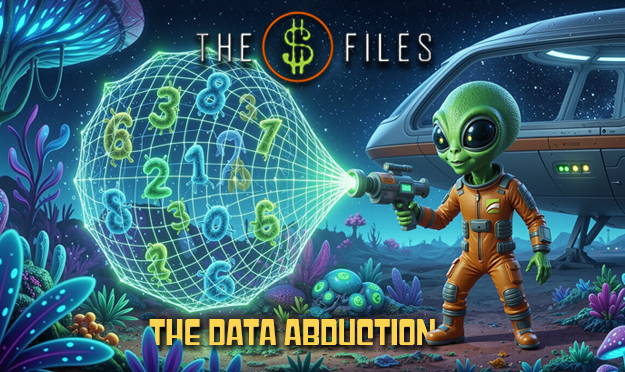
Zazu, our out-of-this-world financial wellness investigator, is now on the case to uncover how cybercriminals access your data and how to keep it safe.
The Mystery: Where Did the Data Go?
Imagine getting an email saying there's a problem with your checking account. The logo looks real, the message sounds urgent and there's a link to fix it.
You click. But wait… was that message even real?
That is what Zazu is investigating—and with October as Cybersecurity Awareness Month, the timing couldn't be better. Scammers don't need fancy technology to steal your information. Sometimes, one fake message or wrong click is all it takes.
Even worse, you might not realize your data has been exposed until it is too late.
The Clues
Zazu has uncovered four ways scammers try to get their hands on your information.
#1: Suspicious Messages
Ever get a text or email claiming your account is locked or compromised? Scammers use phishing to trick you into clicking dangerous links or sharing sensitive information.
#2: Reused Passwords
One password for everything? Convenient for you, but potentially even better for scammers. If one account is compromised, cybercriminals may try that password on your other accounts.
#3: Fake Identities
That message from your financial institution might not be what it seems. Scammers impersonate trusted organizations using familiar logos, names and convincing messages to steal information.
#4: Weak Account Security
Think a password alone is enough? Not always.
If someone steals your password, your account could be at risk. Two-factor authentication (2FA) and account alerts are simple ways to add extra security and stay informed of account activity.
The Truth Revealed: Stop the Data Abduction
Many fraud attempts start with small digital slip-ups like a suspicious click, reused password, or convincing message. Spotting these warning signs stops your data from being abducted and Zazu has five simple tips to help you protect your information.
- Think Before You Click: Verify suspicious messages before opening links.
- Use Strong Passwords: Create a unique password for every account.
- Turn On 2FA: Adds an extra layer of account security.
- Stay Updated: Keep your devices and apps up to date.
- Monitor Your Accounts: Set up alerts to spot unusual activity quickly.
Small security habits can make a big difference in keeping your data safe and secure
Case #010 Status: Closed
Zazu may have cracked the case, but keeping your information safe is an ongoing mission.
If you haven't already, stay one step ahead of scammers by turning on two-factor authentication (2FA) today to add an extra layer of protection to your USF CU account.
Want to learn more? Discover how 2FA helps protect your accounts from fraud and cyber threats.
Coming Up Next on The $ Files
Another case is on the horizon! With the holidays approaching, gifts, celebrations and unexpected expenses have a way of making money disappear.
Join Zazu next month as he follows the clues to uncover what's draining your holiday budget.
« Return to "Blog"